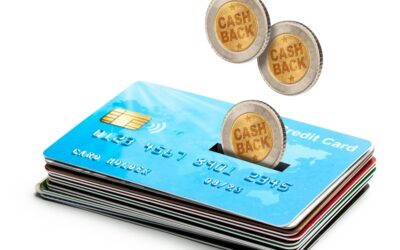

In a savings account, you can keep your money safe, and earn interest. Compared to investment accounts, savings accounts are insured: in the event of a bank failure, sums exceeding a certain amount in the account are covered. A savings account allows you to divide your everyday spending money, held in your checking account, and money that is destined for a later date. Basically, it’s a holding cell for your cash that you don’t need immediately, until you’re ready to spend it on your goals. Keeping that money in a separate account can ensure that it’s there when you do. There are many options for savings accounts: from traditional to online banks, you may find a lot of them, with little differences. Usually, online accounts offer interest rates significantly higher than the traditional banks average of 0.07% (no expensive branches, so they may offer competitive annual percentage yields close to 2%) and most of them also offer phone customer support. But if you don’t prefer telephone support, you can ever choose a traditional bank.
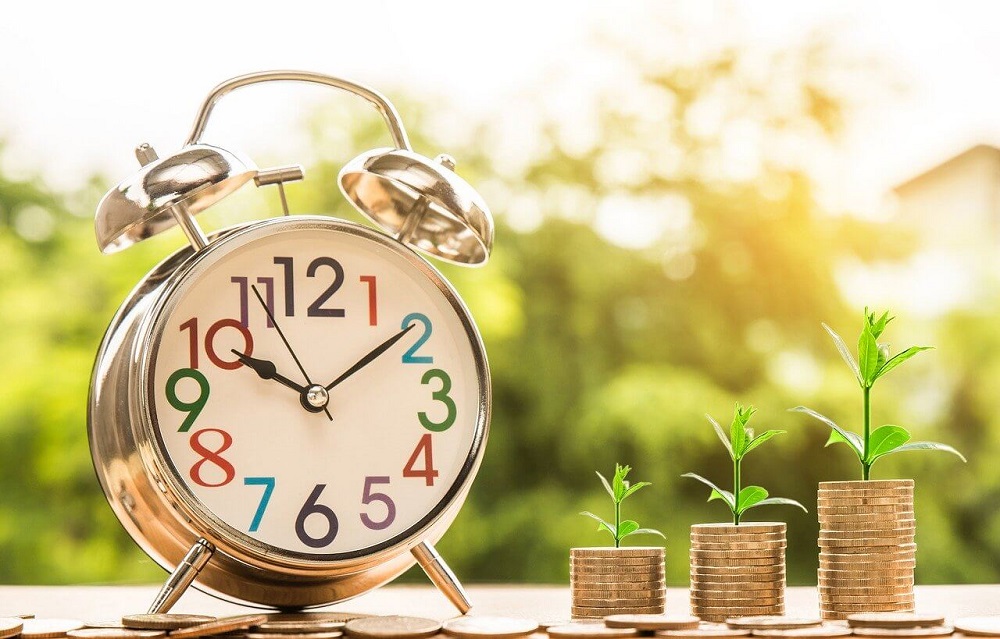
Things to know about a savings account
First of all, you need to understand how to use the money you are saving. Since they are liquid, savings accounts can be used to build emergency funds, or for a future home purchase, for travel funds, pet expenses or home repairs. Of course, savings accounts with strong APYs make grow your money (Annual percentage yield is a normalized representation of an interest rate, based on a compounding period of one year).
If you are saving to achieve multiple goals, find a savings account that allows you to create goals within the account (Ally’s high-yield savings account may be a good idea, it’s helpful in case you want to work towards multiple goals at once).
Another key factor to consider, when opening a savings account, is the number of withdrawals you plan to make each month. Basically, savings should be left alone, so by law the withdrawals from savings accounts are limited to six per month; for the same return, if you withdraw money more than six times a month, we recommend a cash account. Regarding the time horizon of savings, consider how long you plan to save: if it is more than five years, a real investment is recommended.