The latest in cancer research: what’s new in diagnosis and treatment
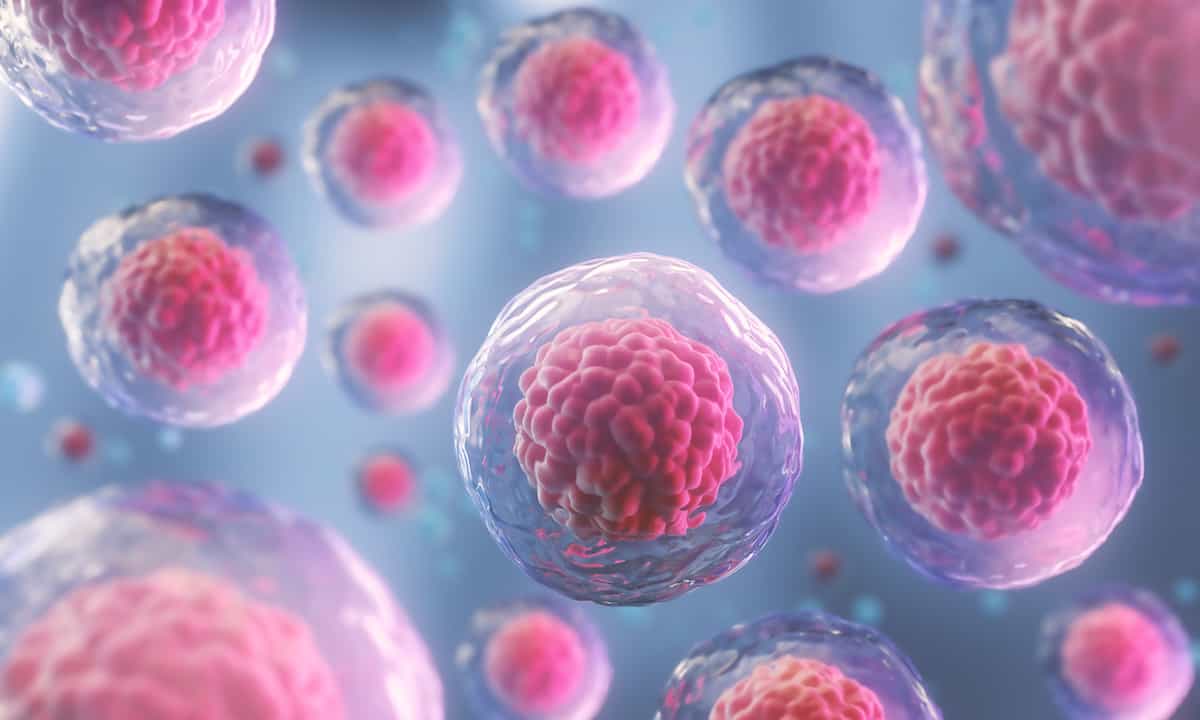
Oncology research continues to make important advances in the field of early diagnosis and treatment of cancer. In 2023, interesting new developments have emerged that could have a significant impact on the prevention and treatment of this disease.
One of the most promising areas of research concerns gene therapy. Scientists are investigating innovative approaches to genetically modify cancer cells to make them more susceptible to conventional therapies, such as chemotherapy or radiotherapy. This could increase the effectiveness of treatments and reduce side effects.
In addition, immunological therapy has shown significant progress. The use of immunotherapies, such as immune checkpoint inhibitors and CAR-T cell therapies, has shown promising results in the treatment of several tumour types. These therapies stimulate the patient’s immune system to fight cancer cells more specifically and effectively.
Research into early diagnosis is another area of great interest. New diagnostic tests have been developed based on advanced technologies such as genomics, proteomics and artificial intelligence. These tests enable a more timely and accurate diagnosis, opening up the possibility of more targeted and effective therapeutic interventions.
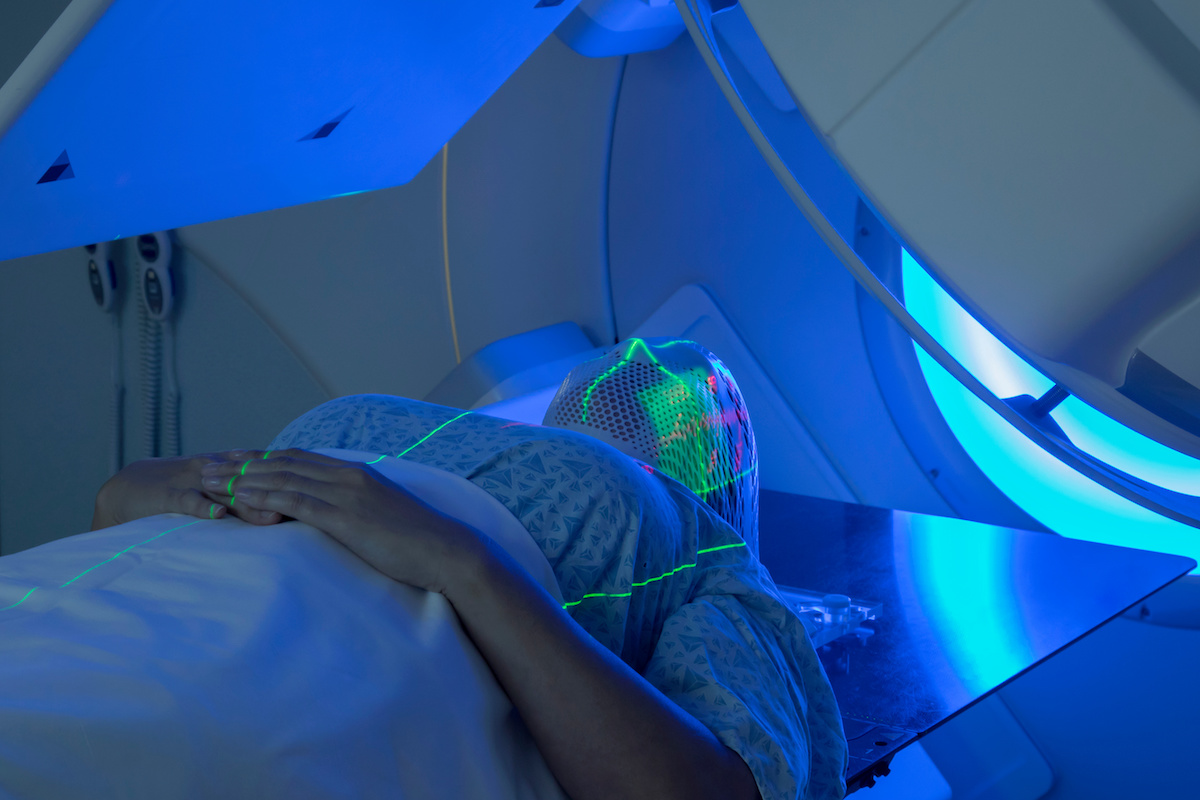
In parallel, precision medicine is emerging as a fundamental approach in the fight against cancer. The sequencing of tumour DNA and the identification of specific genetic mutations allow doctors to tailor treatments to the genetic characteristics of patients. This targeted approach can increase the chances of successful therapies and reduce side effects.
Finally, it is important to emphasise that cancer research never stops. Scientists and experts are constantly working to develop new therapies, improve existing treatment options and identify predictive biomarkers. This constant effort is essential to effectively fight cancer and improve patients’ quality of life.
In conclusion, the latest developments in cancer research are opening up new avenues in early detection and cancer therapies. Gene therapy, immunotherapy, precision medicine and advanced diagnostic tests represent concrete hopes for a more effective fight against this disease. It is crucial to support and invest in research in order to continue to make significant progress in the field of oncology.
You may also like
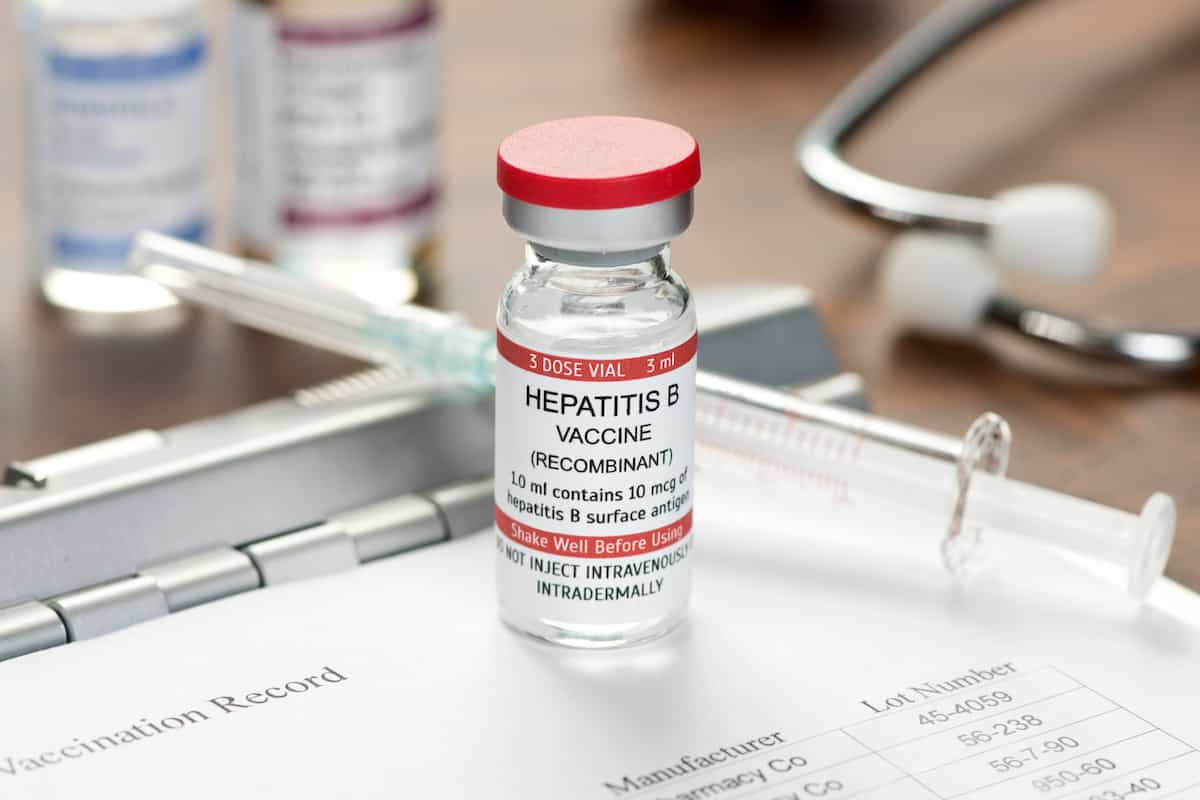
Latest Breakthroughs in Hepatitis Research in 2023
In 2023, significant advancements in hepatitis research have brought new hope in the prevention, diagnosis, and treatment of this chronic viral disease. Scientific efforts have focused on several critical areas, showcasing promising developments. Firstly, notable progress has been made in hepatitis prevention. Novel vaccines have been developed to combat various types of hepatitis, providing broader… Continue reading Latest Breakthroughs in Hepatitis Research in 2023
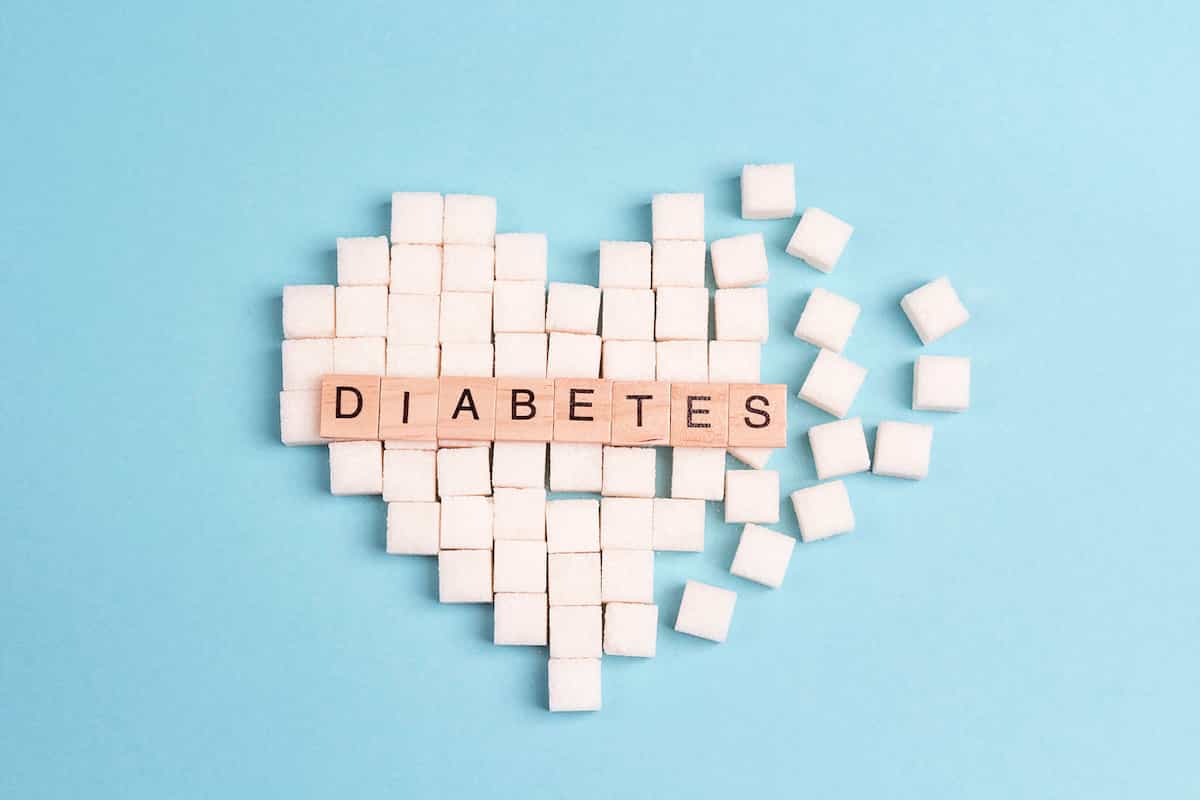
Prevention and treatment of diabetes: the importance of nutrition
Diabetes is a growing chronic disease globally, but proper nutrition can play a key role in the prevention and management of this condition. The first line of defence against diabetes is to adopt a balanced and healthy diet. Reducing consumption of refined sugars, foods high in saturated fats and highly processed foods is crucial. At… Continue reading Prevention and treatment of diabetes: the importance of nutrition
The latest in HIV research: a step towards a cure
Scientific research on HIV continues to make significant progress, opening up new perspectives for the prevention and treatment of this disease. In 2023, important new findings emerged that could lead to a breakthrough in the fight against HIV. One of the most promising discoveries concerns neutralising antibodies. Scientists have identified and studied a wide range… Continue reading The latest in HIV research: a step towards a cure

Healthy food for the prevention of cardiovascular and oncological diseases
In recent years, interest in detox foods and food plans aimed at the prevention of cardiovascular and oncological diseases has grown significantly. The latest developments focus on foods rich in nutrients, antioxidants and bioactive compounds that can promote cardiovascular health and reduce the risk of cancer. One of the emerging trends is the inclusion of… Continue reading Healthy food for the prevention of cardiovascular and oncological diseases