Treatments against Hepatitis C virus

Hepatitis C can often be successfully treated by taking medicines for several weeks. If the infection is diagnosed in the early stages, known as acute hepatitis, it may not be necessary to start treatment immediately. Instead, you may have another blood test after a few months to see if your body is fighting the virus. If the infection persists for several months, known as chronic hepatitis, treatment will generally be recommended.
Hepatitis C in detail
 Hepatitis C virus (HCV) is a hepatotropic virus that causes chronic infection, which can lead to liver fibrosis, cirrhosis and hepatocellular carcinoma. Effective treatment of HCV has been shown to reduce progression to liver failure, the need for liver transplantation and liver-related and all-cause mortality, thus mitigating the sequelae of chronic infection. HCV affects nearly 185 million people worldwide; in the United States alone, approximately 3-4 million infected individuals are estimated, which clearly highlights the underestimation of the danger, as they are not considered to be at the highest risk of infection (homeless, inject drugs and prisoners).
Treatment for chronic hepatitis C (those infected for 6 months or more) involves:
- tablets to fight the virus
- a test to see if your liver is damaged
- lifestyle changes to prevent further damage
There are 6 main strains of the virus. The most common strains are genotype 1 and genotype 3. Patients can be infected with more than 1 strain.
Hepatitis C treatments
You’ll be offered the medicine most appropriate for your type of hepatitis C. During treatment, you should have blood tests to check that your medicine is working. If it’s not, you may be advised to try another medicine. This will only affect a small number of people. Your doctor will also assess your liver for damage (scarring), either with a blood test or a scan called a fibroscan. At the end of your treatment, you’ll have a blood test to see if the virus has been cleared and a second blood test 12 or 24 weeks after treatment has stopped. If both tests show no sign of the virus, this means treatment has been successful. Of the 6 main genotypes, the Genotype 1 (the most prevalent HCV genotype worldwide) was difficult to eliminate with SVR rates of less than 50% with interferon-based therapy. The advent of direct acting antivirals (DAAs) revolutionized the treatment of HCV infection.
Hepatitis C medicines
Hepatitis C is treated using direct acting antiviral (DAA) tablets. DAA tablets are the safest and most effective medicines for treating hepatitis C. They’re highly effective at clearing the infection in more than 90% of people. The tablets are taken for 8 to 12 weeks. The length of treatment will depend on which type of hepatitis C you have.
Some types of hepatitis C can be treated using more than 1 type of DAA.
NHS-approved hepatitis C medicines:
- simeprevir
- sofosbuvir
- a combination of ledipasvir and sofosbuvir
- a combination of ombitasvir, paritaprevir and ritonavir, taken with or without dasabuvir
- a combination of sofosbuvir and velpatasvir
- a combination of sofosbuvir, velpatasvir and voxilaprevir
- a combination of glecaprevir and pibrentasvir
- ribavarin
You may also like

Hearing loss: things to know before buying a hearing aid
Choosing a hearing aid isn’t easy, especially if you’ve never used one. They come in different shapes, colors and levels of technology.The first factor in determining which hearing aid to choose is your hearing loss, which could range from very mild to severe. Next, you need to know what you would like it to be… Continue reading Hearing loss: things to know before buying a hearing aid

Small Lymphocytic Lymphoma (SLL): Symptoms and Treatments, Causes and Diagnosis
Small lymphocytic lymphoma (SLL) is a cancer of the immune system. It affects infection-fighting white blood cells called B cells. SLL is a type of non-Hodgkin’s lymphoma, which along with chronic lymphocytic leukemia (CLL) indicates the same type of disease, treated the same way. Whereas in SLL, the cancer cells reside primarily in the lymph… Continue reading Small Lymphocytic Lymphoma (SLL): Symptoms and Treatments, Causes and Diagnosis

Diabetes Type 2: Epidemiology and Prevention
Diabetes Epidemiology Diabetes is a very common disease. New updated data from the new International Diabetes Federation (IDF) Diabetes Atlas show that more than 34 million Americans have diabetes (1 in 10 individuals), of whom approximately 90-95% have type 2 diabetes. In UK the situation is slightly better: with nearly 4 million sufferers, about one… Continue reading Diabetes Type 2: Epidemiology and Prevention
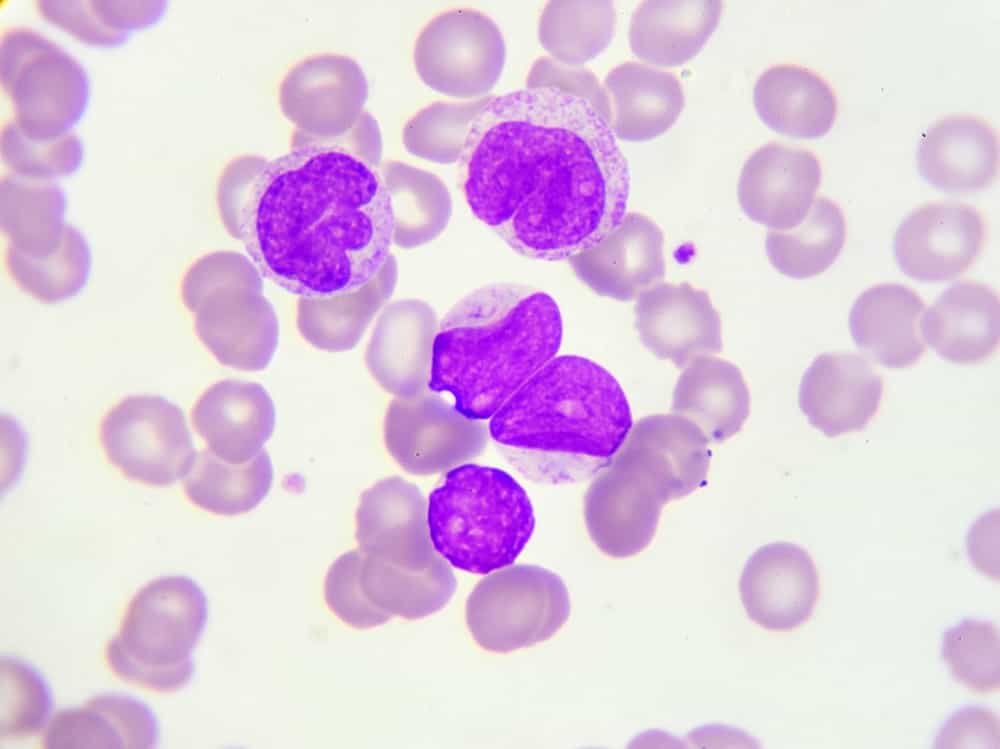
Small Lymphocytic Lymphoma (SLL): Stats, Causes and Diagnosis
Small lymphocytic lymphoma (SLL) is a cancer of the immune system that affects the white blood cells that fight infection, called B cells. SLL is a type of non-Hodgkin’s lymphoma, as is chronic lymphocytic leukemia (CLL). Both cancers are basically the same disease, and are treated in almost the same way. The difference between the… Continue reading Small Lymphocytic Lymphoma (SLL): Stats, Causes and Diagnosis