
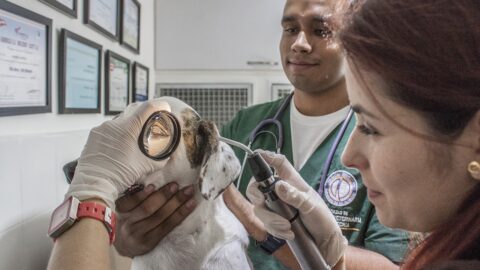
Deciding to activate insurance coverage in this sense is often difficult: for a generally healthy or young animal, this is often not the case. But if bad luck decides to fall on a pet, bringing chronic illness or post-accident care / treatment, having a coverage could even make you financially. For this reason, the advice is to request free online estimates, looking for simple payments based on certain and transparent conditions.
Check if your employer offers a pet insurance
Pet insurance coverage is a big on the rise at the company – one in 3 Fortune 500 companies offer packages like Veterinary Pet Insurance to their benefit portfolio. Some other companies grant a percentage of cost coverage to their employees, with several companies now paying up to 100% of the insurance premiums.
Not just cats and dogs
There are still not very many, but there are also companies that offer policies for less common pets, such as birds or “exotic” animals (amphibians, reptiles, rodents, lizards, sheep, pigs, leporiridia). Several companies then cover horses, but horse life insurance may be required.
Are discounts available?
Membership of particular groups or associations gives the right to special conditions. Healthy Paws forever discounts 10% to AAA members. Keep in mind, however, that these plans may not be the best choice in your situation.
Are older animals also covered?
Older pets can be insured, but with certain age restrictions. For example, ASPCA health insurance does not cover diseases of dogs over the age of 12 and cats over the age of 14. Healthy Paws and Trupanion will cover pets for life, but you must sign them up before their 14th birthday. In general, more will be paid to insure older animals to receive less and less coverage. Other details: purebred animals will cost more than mestizos, while dogs are more expensive than cats.
Not convenient for routine cares
Many of the plans analyzed offer “light” coverage, which is usually related to routine care (vaccines and annual tests), but it doesn’t seem very convenient. The most expensive bills obviously concern surgery in dogs and cats without mentioning serious accidents that can cost us 10 times as much.