
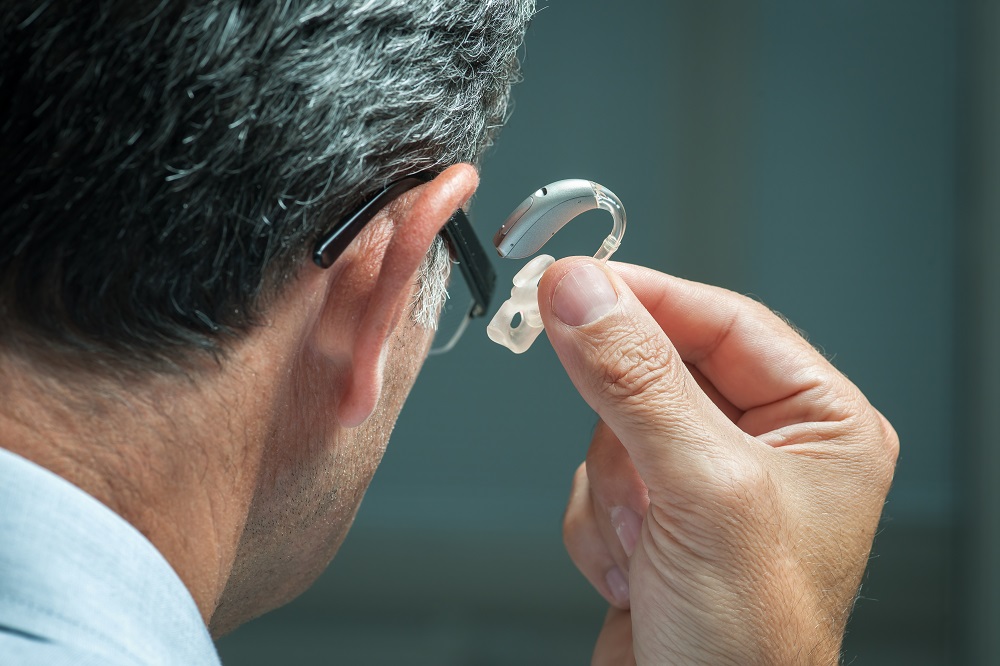
Choosing a hearing aid isn’t easy, especially if you’ve never used one. They come in different shapes, colors and levels of technology.
The first factor in determining which hearing aid to choose is your hearing loss, which could range from very mild to severe. Next, you need to know what you would like it to be able to do and how it should be made to wear.
What should my hearing aid look like?
According to the WHO, 466 million people worldwide suffer from hearing loss. While some people prefer to show off their new hearing aid, others prefer that it not be too visible. It really is a very personal choice! With hearing aids, as with any other accessory you wear, you can choose your own style, color and size (depending on your specific hearing loss). So think about what you would like your hearing aid to say about you, or if you don’t want it to say anything at all.
Hearing loss: causes and characteristics
In order to treat a hearing loss effectively, we must first define the type of hearing loss from which the person is suffering, and to do this you can rely on three criteria.
When did it occur?
Congenital hearing loss is already present at birth and is due to genetic factors, health problems of the mother or injuries during childbirth. Acquired hearing loss, on the other hand, develops after birth.
Is this a temporary problem?
A medical problem such as an earwax plug can cause hearing loss. Noise-induced hearing loss can result from exposure to very loud noises. This condition is also known as a temporary shift in hearing threshold.
In which part of the ear?
Transmissive hearing loss generally results from an impairment of the path of sound from the outer or middle ear to the inner ear. Sensorineural hearing loss occurs with damage to delicate nerve fibers in the inner ear.